Rope Access
IRATA-certified rope access teams for inspection, maintenance, industrial painting, and facade restoration — up to 60% cost savings over traditional scaffolding with minimal site disruption.
Safe, Efficient Work at Height — Without the Scaffolding
CMW Asia's rope access division provides the safest and most cost-efficient method of working at height for situations where traditional scaffolding is impractical, too expensive, or would cause unacceptable operational disruption. Our IRATA-certified technicians deliver up to 60% cost savings compared to full scaffolding installations while mobilizing faster and leaving a far smaller site footprint.
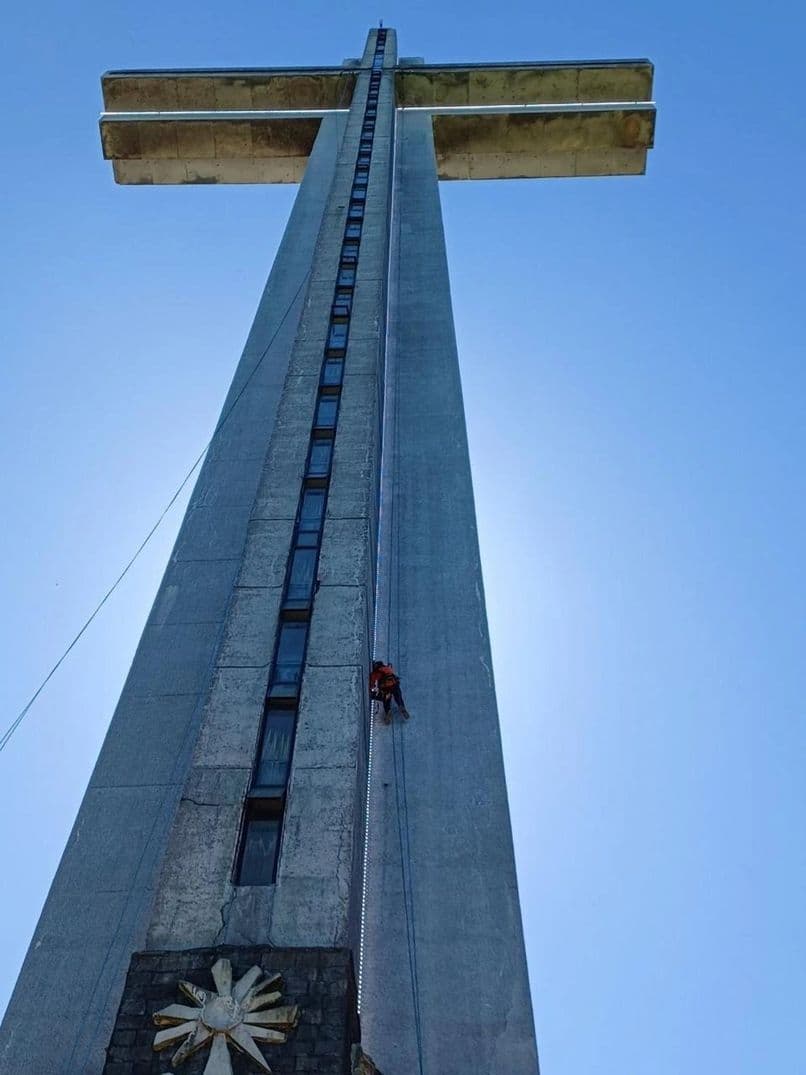
Our rope access teams hold IRATA Level 1, 2, and 3 certifications — the internationally recognized gold standard for industrial rope access competency. This multi-level qualification allows us to undertake everything from routine building maintenance and visual inspections through to complex industrial tasks including NDT (non-destructive testing) such as ultrasonic thickness gauging and magnetic particle testing, industrial painting and blasting, smoke stack and storage tank surveys, elevated piping inspection, facade restoration, and LED lighting installation on heritage structures.
Rope access is particularly valuable for live operational facilities like refineries and power plants, where traditional scaffolding would obstruct process equipment and extend shutdown durations. Our teams mobilize and demobilize rapidly — often within hours rather than the days required for scaffolding erection — reducing downtime and minimizing disruption to your operations. All rope access operations comply with the IRATA International Code of Practice and local work-at-height regulations.
CMW Asia's rope access capability also integrates with our facade installation and scaffolding services, giving clients the flexibility to use the optimal access method for each zone of their project rather than committing to a single approach.
Rope Access Capabilities
- IRATA Level 1, 2 & 3 Certified Technicians
- Non-Destructive Testing (NDT) — Ultrasonic Thickness Gauging, Magnetic Particle Testing
- Industrial Painting & Blasting
- Facade Restoration & Maintenance
- Building Inspection & Surveys
- Smoke Stack & Storage Tank Inspection
- Elevated Piping Inspection
- LED Lighting Installation
- Heritage Structure Access
- Up to 60% Cost Savings vs Traditional Scaffolding
- Rapid Mobilization & Minimal Disruption
Rope Access vs Scaffolding — When to Use Each
Rope access is the optimal choice when access is needed at height but full scaffolding would be disproportionately expensive, slow to erect, or would obstruct ongoing operations. It is ideal for inspection and survey tasks where access is needed briefly at multiple locations, maintenance on complex or irregular structures where scaffolding cannot easily conform, live operational facilities like refineries and power plants where shutdown time must be minimized, heritage monuments where scaffolding footprint would risk damage, and high-rise exterior maintenance and facade restoration.
Traditional scaffolding remains the better choice for long-duration work requiring sustained access at fixed positions, heavy-load tasks that need rigid work platforms, and projects where multiple trades need simultaneous access at the same elevation. CMW Asia can advise on the optimal approach for your specific project — and deploy both methods in combination where needed.
Sectors We Support
- Oil & Gas — Refinery inspection, storage tank surveys, piping NDT, painting
- Power Generation — Smoke stack inspection, boiler surveys, chimney maintenance
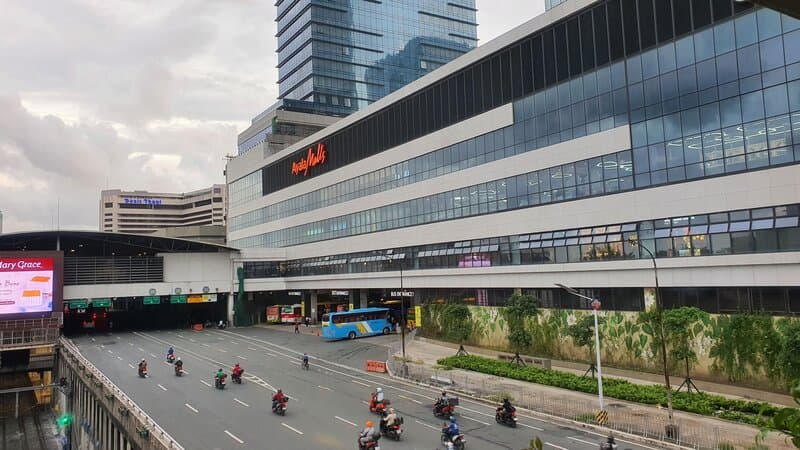
- Commercial & High-Rise — Building maintenance, window cleaning, facade restoration
- Heritage & Preservation — Monument lighting, restoration work, non-invasive access
- Infrastructure — Bridge inspection, railway infrastructure maintenance
How We Deliver
Step 1: Site Assessment — We evaluate the structure, access requirements, and working environment to confirm rope access suitability and develop a safe system of work.
Step 2: Rigging Plan — IRATA Level 3 supervisors design the rigging plan, identifying anchor points, rescue procedures, and exclusion zones.
Step 3: Mobilization — Certified technicians mobilize rapidly with all rope access equipment, PPE, and task-specific tools.
Step 4: Execution — Work is performed under continuous supervision with two-rope redundancy, constant communication, and real-time safety monitoring.
Step 5: Demobilization & Reporting — Equipment is recovered, inspection reports and photographic records are compiled, and the site is returned to normal operations.